Guides / Cone 6 vs cone 10
Cone 6 vs cone 10: where the money actually goes
$30 of materials at cone 10 is not the same $30 at cone 6. Neither is your kiln bill, your effects palette, or your studio risk profile. The honest breakdown, item by item.
The cone-6-vs-cone-10 question gets answered in one of two ways online: either "cone 10 is for serious potters" (snobbery) or "cone 6 is the future" (electric-only utopia). Neither is useful when you're trying to decide what kiln to buy or what your studio economics actually look like.
What follows is the breakdown without the tribalism. Numbers are US-market rough averages — your supplier and grid will vary, but the ratios hold across regions.
First: cones aren't temperatures
A common confusion. Cones are time-temperature equivalents, not temperature points. A cone bends when enough heat-work has accumulated, which depends on both how hot you fire AND how long you spend climbing. Fire fast and you need a higher peak; fire slow and you can hit the same cone at lower peak.
· Cone 6≈ 1222 °C / 2232 °F at standard ramp (60 °C/h in last hundred). Often called "mid-fire."
· Cone 10≈ 1285 °C / 2345 °F at standard ramp. Often called "high-fire."
That 63 °C / 113 °F gap is where every difference below comes from.
Materials cost
This is where the gap surprises people. Cone 10 materials are cheaper per kilo than cone 6. Yes, really.
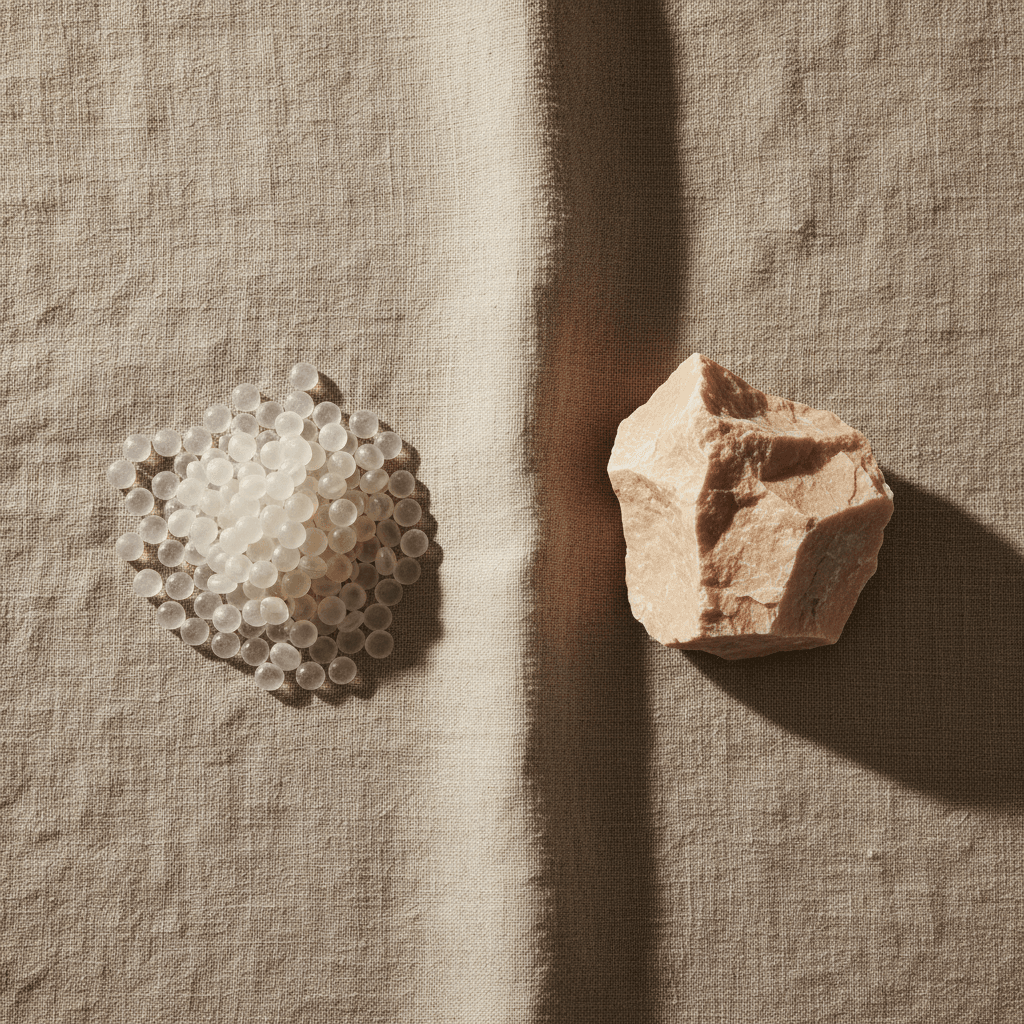
Why? Frits are pre-melted glasses— someone else ran a furnace at 1300 °C and ground the result for you. They give cone-6 glazes their predictable melt at a temperature the raw materials wouldn't survive. That manufacturing step shows up in the price tag. At cone 10 you skip the frit and use raw feldspars, which the kiln itself melts on the way up.
If you're running large volumes, cone 10 wins on material cost.If you're running 100g batches for tests, the difference is rounding error.
Kiln energy cost
Here cone 6 wins, but less than you'd think. Each cone above the last requires roughly 8–12% more energy because you're climbing a steeper part of the BTU curve.
The hidden cost at cone 10 is element wear. Kanthal elements lose roughly 1.5× faster at cone 10 than at cone 6. Over 500 firings — a serious studio runs that in 2–3 years — you'll replace elements 4–5 times at cone 10 vs. 2–3 times at cone 6. Adds up to maybe $400–800 over that period.
Net energy difference: roughly $1.50–2.00 more per firing at cone 10. For a hobbyist firing once a month, irrelevant. For a production studio firing 3× a week, ~$300/year.
Atmosphere and kiln type
This is the harder constraint. Some effects only happen at certain atmospheres, and atmosphere is a function of kiln type.
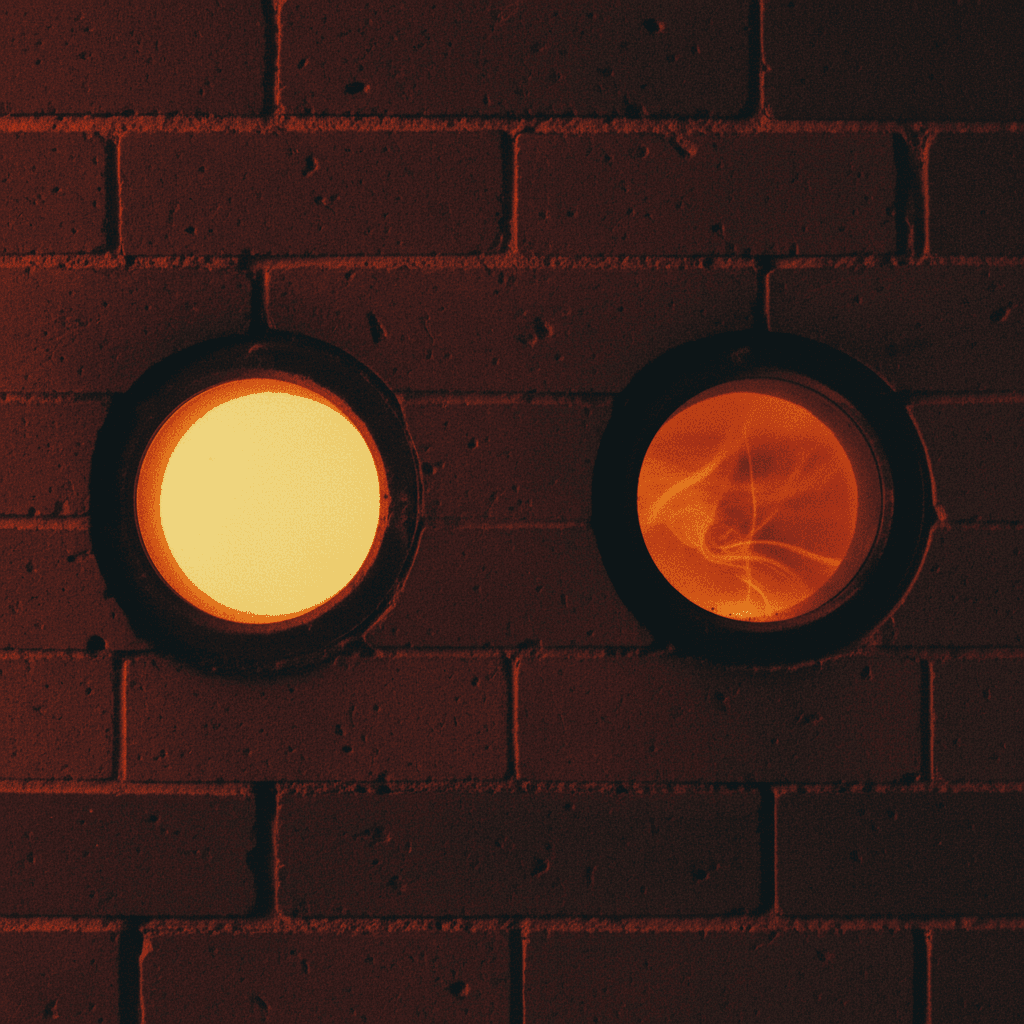
Cone 6 oxidation in an electric kiln is the most common combo in US/EU studios — accessible, predictable, runs in apartments, no fuel permits. Most cone-6 recipes are designed for this.
Cone 10 reduction requires gas (or wood). Permit issues, ventilation, neighbors, fuel cost. But this is the only place you get real copper reds, traditional celadons, shino flashing, and the entire Asian-inspired palette that defines high-fire studio pottery.
Effects you can and can't get
What you can fire at each cone is not a matter of taste — it's a matter of physical chemistry. Here's what actually fires:
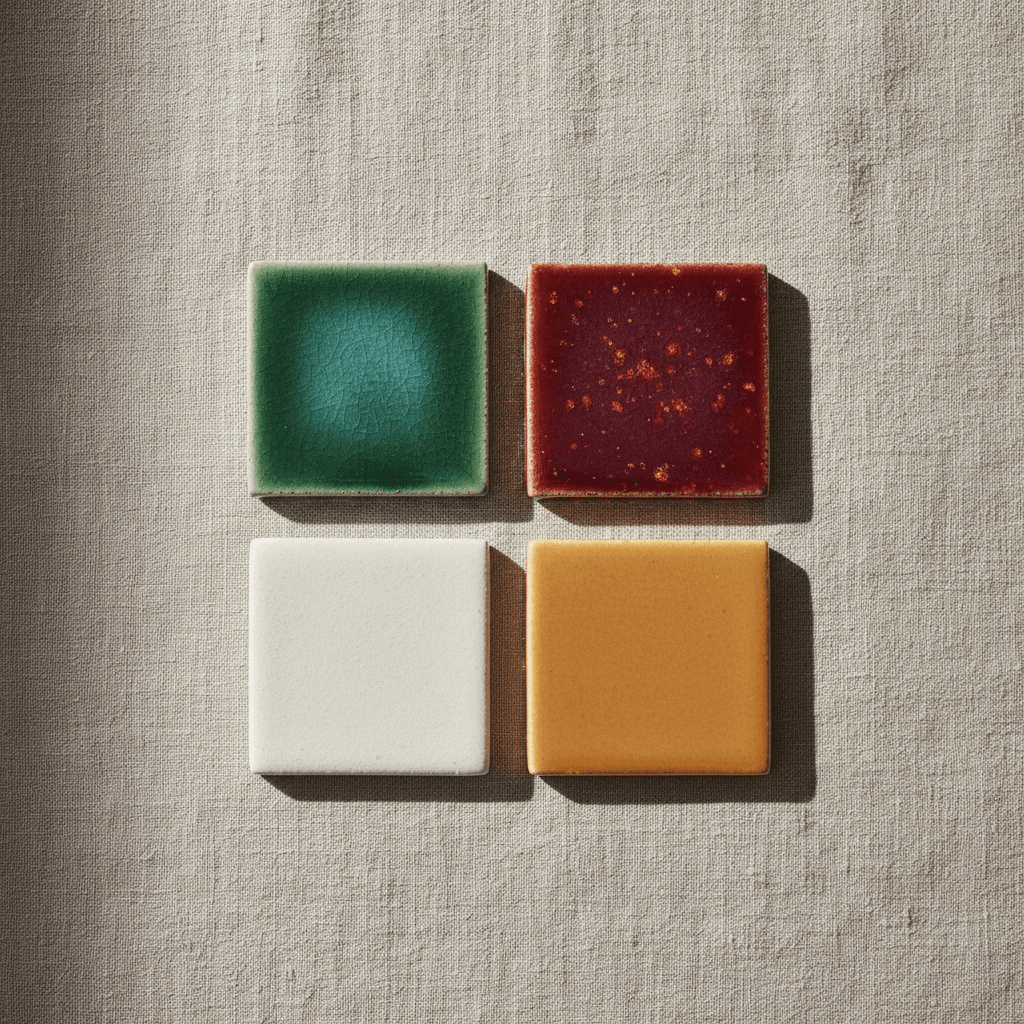
The pattern: cone 6 is bright color territory (commercial stains and oxides survive in the lower reaction window), and cone 10 reduction is iron+copper traditional territory. There's overlap in the middle (matte and satin work at both), but the extremes are mutually exclusive.
Body cost and durability
The body matters as much as the glaze. A cone-6 stoneware body and a cone-10 porcelain body fire to similar densities, but they get there differently.
· Cone 6 stoneware: 3–6% absorption. Vitrifies but usually has slight porosity. Fine for most foodware if your glaze fits well. Body is ~$1.50–2.00/kg.
· Cone 10 stoneware:<3% absorption. Fully vitrified, dense, stronger. Same price as cone 6 stoneware in most cases — just labeled differently.
· Cone 10 porcelain: 0–1% absorption. White, translucent, premium. Costs $3–5/kg.
For functional ware, cone 10 ware fetches higher pricesat retail by maybe 20–40%, all else equal. Buyers who care about ceramics often associate cone 10 with "serious" pottery. That perception is changing as cone-6 work matures, but at the time of writing it's still true.
The honest decision tree
You're probably already locked in by your kiln. If you've got an electric kiln, cone 6 is the right answer— fire reduction in it and you'll burn out elements and never get clean reduction anyway. If you've got gas, cone 10 reduction unlocks effects nobody else can give a customer; running it at cone 6 wastes the kiln.
If you're buying a kiln, ask yourself two questions:
· What effects do I want to chase? If "copper red, celadon, shino, wood-fired flashing" appears anywhere on your wishlist, you need gas + cone 10. If your work is bright color, sculptural, commercial-stain, or production functional, electric + cone 6 is cheaper, faster, more flexible.
· How much volume? At under ~50 firings/year the cost difference is noise. At 150+ firings/year, the cone 10 material savings cancel the energy cost — you're paying about the same per piece either way.
There's no universal "better" cone. There's only the cone that matches your kiln, your effects palette, your volume, and your buyers.
Try it
Generate a recipe tuned to your cone and atmosphere.
kilnmuse asks for cone, kiln type and atmosphere up front and adapts the chemistry — frit-heavy at cone 6 oxidation, raw feldspars at cone 10 reduction, full warning if your inspiration photo demands an effect your kiln can't deliver. Free preview, no signup needed.
Try kilnmuse→References
- Orton Ceramic Foundation — cone temperature equivalents at standard ramp rates.
- Skutt + L&L Kiln service notes — element life at cone 6 vs cone 10 (kanthal A1 in oxidation).
- Digitalfire — material chemistry differences between mid-fire and high-fire feldspathic glazes.
- John Britt, The Complete Guide to High-Fire Glazes and The Complete Guide to Mid-Range Glazes — practical reference for both ranges.